
We threw out 78% of Panama City projects. See which ones survived.
SHOW MEDo You Make These 7 Critical Mistakes When Looking At Panama Pre-Construction Listings?
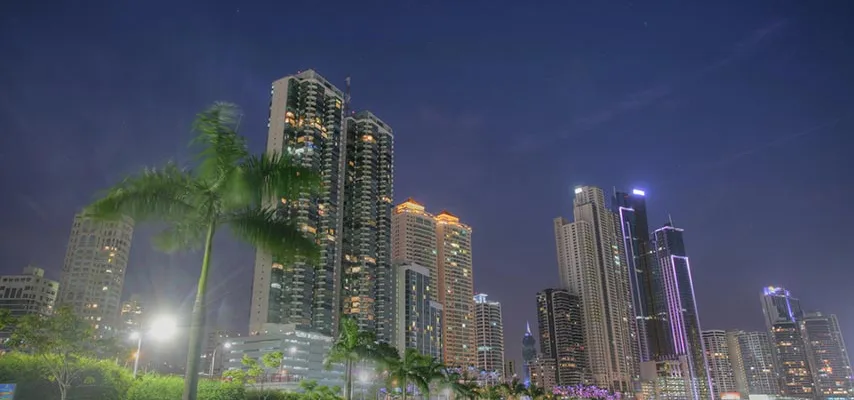
Most real estate advice is completely backwards.
You are scrolling through property sites or looking at a beautiful PDF brochure sent by an enthusiastic broker. The renders look perfect. The location seems right, and the projected 9% return looks like an easy, predictable win for your portfolio.
It should be.
Parking your capital in a stable, dollar-denominated economy like Panama is one of the smartest wealth building moves you can make right now. The local market is moving fast for a reason.
But the generic retail market is structured to sell you optimism instead of raw data.
By the time an international investor realizes they bought through a slow retail channel instead of an institutional network, their capital is already wired and completely out of their control.
Securing a high-performing pre-construction unit in Panama is not about luck.
It is about avoiding the simple process errors that catch 9 out of 10 buyers completely off guard.
Here are the 7 critical mistakes you need to avoid to protect your capital and lock in your equity early.

1. Confusing general property websites with insider developer pricing
Panama pre-construction is a massive wealth driver right now. The growth is real.
But here is the mistake.
If you are looking at projects on mass public property websites, you are looking at lagging data.
Major institutional builders run a strict, multi-tiered pricing model.
Long before an inventory block ever spreads to a public real estate site, the builder opens up the private friends and family phase. That is followed immediately by Tier 0 and Tier 1.
Local insider networks and private funds buy up the prime layouts at the absolute lowest baseline cost during these quiet phases.
By the time individual brokers start posting those units on public classified sites, the price has already been stepped up by 15% to 20%.
The result?
You pay a heavy retail markup for the exact same construction risk.
You effectively wipe out the early equity growth that an early allocation is supposed to provide before the foundation is even poured.
Running a quick validation check isn't about finding problems.
It is about skipping the retail markup and getting your capital straight into the high-yield insider brackets before the next price bump hits.

2. Assuming a clean land title guarantees a safe project
This is a massive false sense of security.
Most international buyers hire a local attorney to run a standard check on the Public Registry.
The attorney pulls up the master lot, confirms it has no active bank liens or mortgages, and tells you the deal is safe to close.
But a clean asset title only proves who owns the dirt right now.
It is completely blind to the financial health of the company building on top of it.
When you buy pre-construction, individual unit titles do not exist yet.
You are cutting a check to a corporate entity that holds the entire development parcel.
If that company faces a major lawsuit from an old contractor or a heavy labor dispute, a judge can quietly freeze their entire corporate asset portfolio.
The clean land title won't stop a corporate freeze.
The project halts mid-construction, and your transaction stalls while the lawyers fight it out for months.
The market is incredibly strong, but you want to back developers with spotless corporate records so your money stays on the fast track.
3. Falling into the developer cross funding pipeline
Every pre-construction buyer wants to see the tower rise fast.
When a project stalls, people usually assume it is caused by sudden material shortages or slow government permits.
The reality is much simpler.
Speculative builders often practice cross-funding. They take your cash deposit from a newly launched building and funnel it backward to pay off old bank debts or finish a completely separate, struggling project across town.
Your project looks active on paper, but it is structurally short on cash from day one.
Top-tier institutional builders do things differently.
They secure a dedicated, ring-fenced bank construction line before they ever take a deposit.
Verifying this framework ensures your project is fully capitalized from day one.
When you back a project with a guaranteed bank line, you guarantee your asset gets delivered.
Skip The Manual Research And Let Us Handle The Verification
You don't need to spend the next month digging through local registries or guessing which developers are stable. Put your goals into our tool below to filter out the speculative gambles completely.
Get the Vetted Shortlist100% free. Takes 90 seconds.
4. Running your math on gross numbers instead of net yields
Real estate remains a premier vehicle for generating stable, hands-off income outside the volatile stock market.
But you have to treat it like a data-driven asset acquisition.
The mistake most amateur buyers make is looking exclusively at the gross revenue on a marketing flyer.
Most flyers show an optimistic 8% to 10% gross return, which is a perfectly realistic baseline target for a high-growth country like Panama.
The trap is stopping your analysis at that top-line number.
To turn a property into a truly passive, predictable asset, you just need to run professional net math from day one.
That means factoring in your property management cut, realistic vacancy buffers, and your annual corporate franchise tax.
In Panama, keeping your asset protection entity active requires a flat annual fee to the government known as the Tasa Unica.
When you build these real operational line items directly into your model before you buy, your portfolio becomes completely bulletproof.
You stop guessing about your returns and start locking in a clean, resilient income stream.
5. Accepting standard boilerplate delivery timelines
High-quality property is an incredible wealth builder.
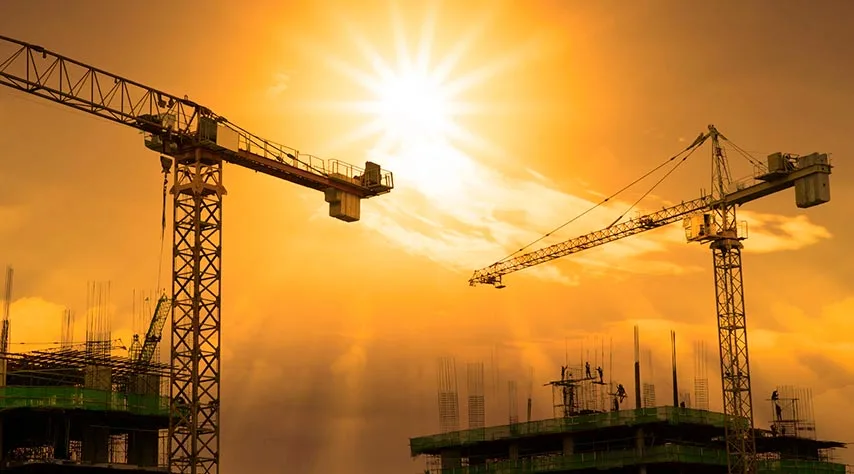
Because the Panama market is booming, developers move as fast as humanly possible to get towers out of the ground.
Standard promise to purchase agreements in Panama almost always include an automatic 180-day grace period for delivery.
Local builders call it a prorroga. That is a normal industry safety net for unexpected municipal paperwork or utility hookups.
Here is the critical mistake: letting unvetted boilerplate text dictate that timeline without limits.
Some standard agreements contain loose sub-clauses that let a builder stack consecutive extensions for vague reasons without ever hitting a legal default or paying late penalties to the buyer.
Your capital sits idle when it should be compounding.
Smart investors do not let paperwork slow down a great deal.
They just ensure the contract has a clean, capped timeline before they wire the funds.
Verifying the project framework means you can sign your agreement with total confidence and keep the transaction moving forward on the fast track.
6. Analyzing entire provinces instead of specific blocks
Panama is an incredibly hyper-local market where property values can shift drastically from one corner to the next.
Analyzing data by entire zones or neighborhoods is a missed opportunity.
Local rental demand is driven heavily by multinational corporate headquarters, infrastructure hubs, and high-earning expats.
Traffic patterns do not move by broad districts. They move by specific street corners.
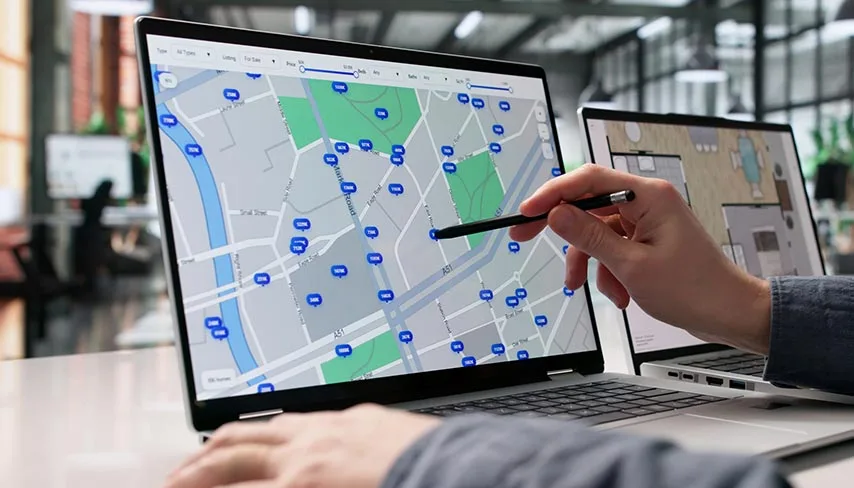
A building located just two blocks away from a major office node might maintain a 95% occupancy rate year-round. That is an absolute win for your portfolio.
Meanwhile, a building four blocks away, separated by a slow traffic corridor, might face a 20% vacancy rate simply because corporate tenants refuse to walk the extra distance.
You must look at the exact block layout, not the neighborhood name, to maximize your passive yield.
7. Thinking you can negotiate your legal protections later
The moment your initial deposit clears the developer escrow account, the leverage shifts entirely to the builder.
Many buyers think they can just get their foot in the door with a standard reservation agreement and iron out the specific contractual protections later during the main contract signing.
This is a dangerous trap.
Once the builder has your initial reservation funds, they rarely modify their boilerplate legal structures for an individual retail buyer.
You have to establish your milestones, capped grace periods, and clear penalty clauses before you ever sign the contract.
Find the safest pre-construction projects before you wire a single dollar
You do not need to spend the next month digging through public registries or guessing which developers are stable.
You just want to buy a solid property without getting trapped by a builder's bad paperwork.
The problem is that standard real estate websites are built to sell you a dream, not the actual background data.
A public listing won't tell you if a developer is quietly running out of cash, or if the project relies entirely on the next guy's down payment to keep the cranes moving.
To bypass the retail traps, you need a filter.
The moment you put your target criteria into our vetting tool, our system isolates the raw market files that match your goals.
From there, our desk screens those matches against our live risk logs, checking active court records, funding setups, and real delivery timelines.
We strip out the speculative gambles, leaving you with a clean shortlist of filtered, vetted matches that actually clear our criteria.
You get the exact clarity you need to make a smart decision before you ever talk to a sales office or wire a reservation deposit.
Free audit. Join 900+ investors. 90 seconds to start.
Comments (1)
I was about to make a deposit for a project in Panama City but I decided to try the audit first just in case. Turns out the one I was looking at didn't make the cut. You guys just saved me from a massive headache, thanks.
Leave a comment